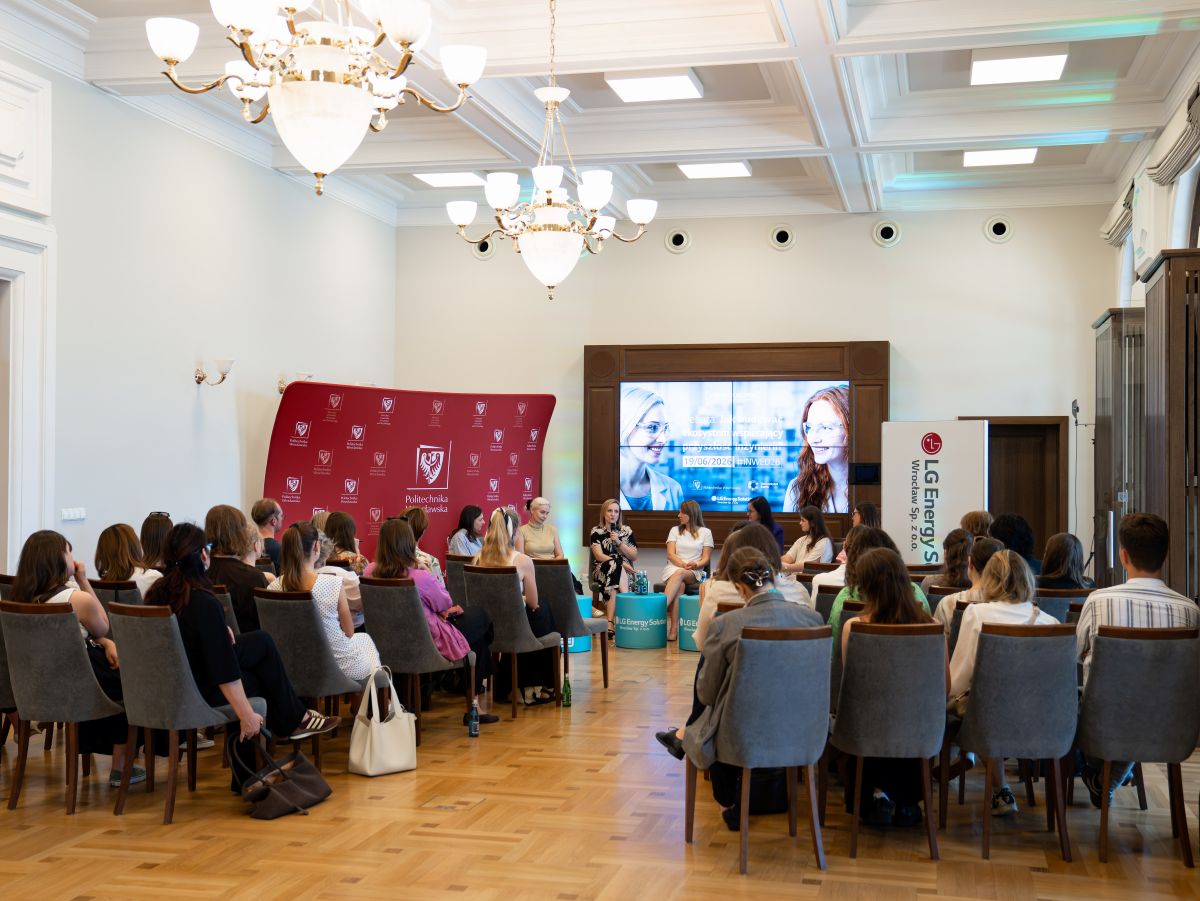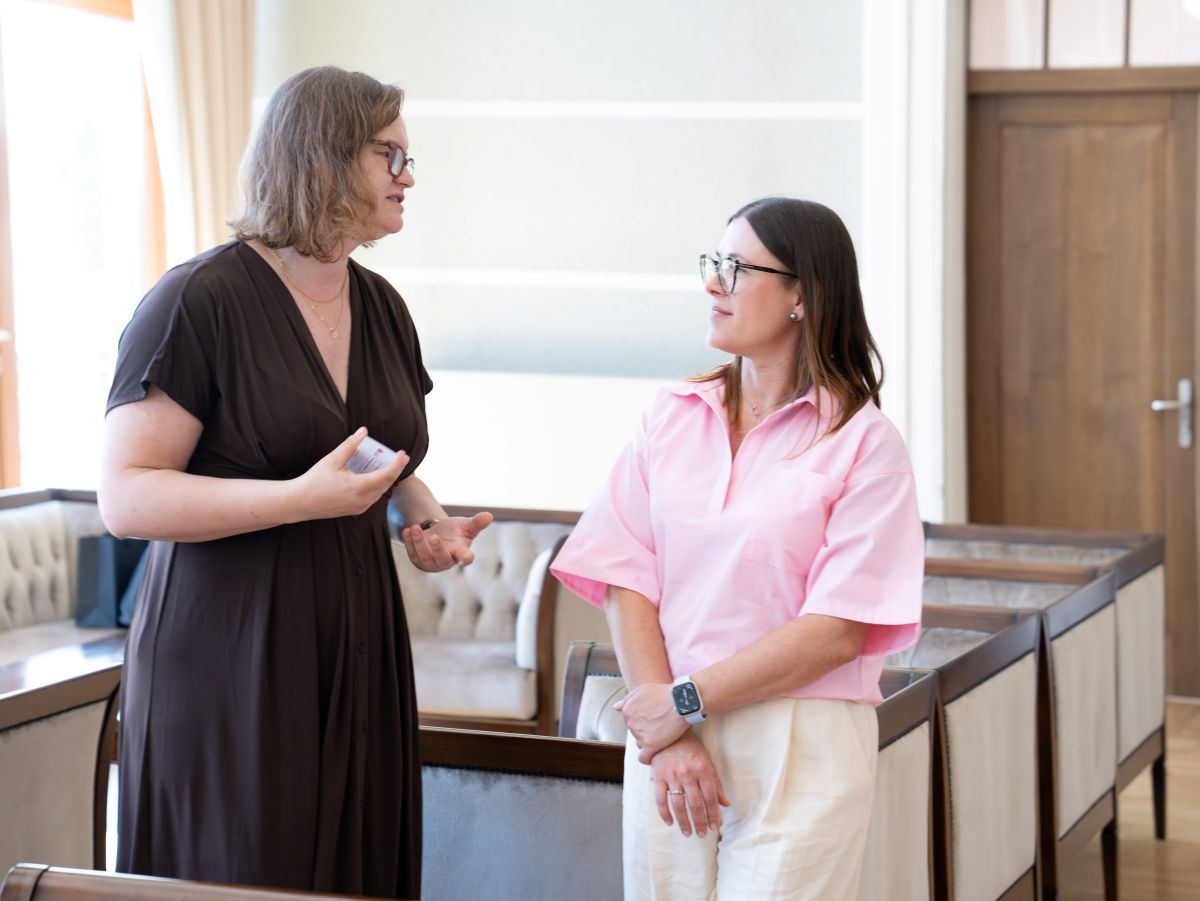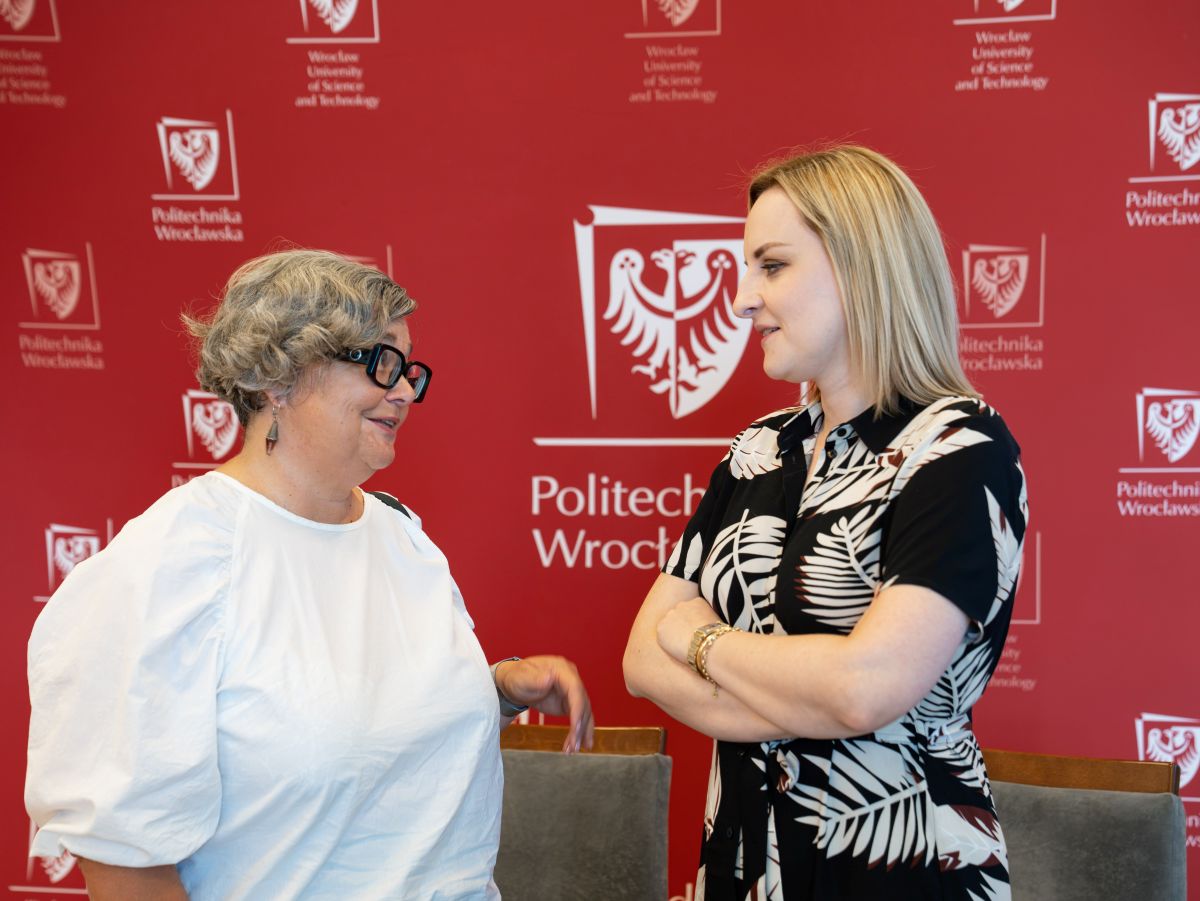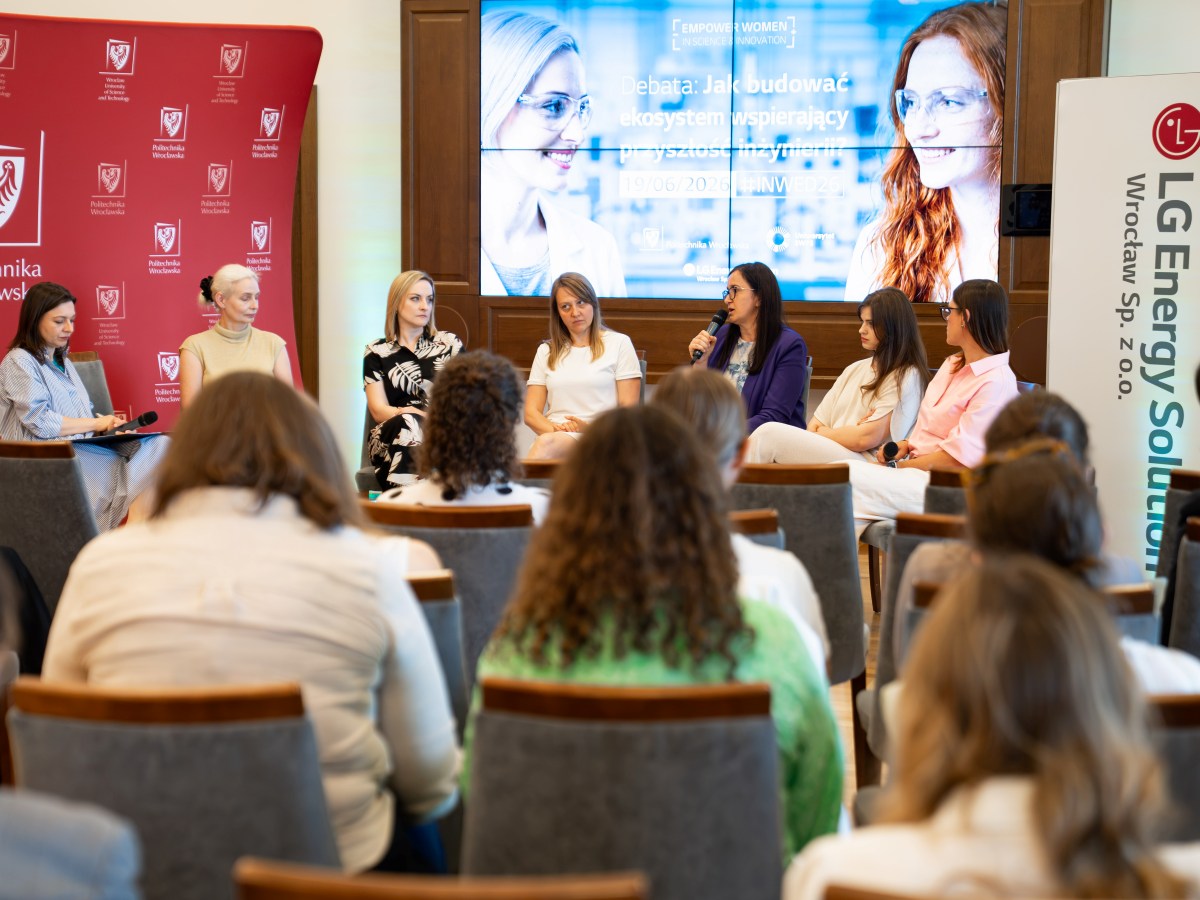
LG Energy Solution Wrocław initiator and served as the strategic partner of a debate held as part of the “Empower Women in Science & Innovation” series, which took place on June 19, 2026 at Wrocław University of Science and Technology. The event brought together women representing science, business, and education to discuss how to build teams that foster the career development of women in science and technology.
Women today make up nearly 43% of scientists and engineers in Poland, and while they also account for more than half of all people employed in science and technology overall, they remain underrepresented in scientific and engineering roles. The debate, organized to mark International Women in Engineering Day (June 23), aimed to launch a conversation about how universities, business, public institutions, and civil-society organizations can work together to build a more open and innovative ecosystem that attracts, develops, and retains talent in science and technology.
“Comparing Lower Silesia to other parts of Poland and the world, I've long observed that we lack initiatives aimed at women who work on advancing science and innovation across various organizations — at universities, research institutes, companies, R&D departments, and startups. Wrocław's community of women scientists is still searching for its own space and format. Business stepped in to help. LG Energy Solution Wrocław approached me with the idea of organizing a debate to mark the upcoming International Women in Engineering Day, and on June 19 we turned that idea into action — one of many future initiatives for women in Lower Silesia.”
- said Dr. Patrycja Radek, moderator of the debate, Innovation Broker at the Knowledge Transfer Center and Manager of the Startup Booster for Social Impact acceleration program at SWPS University
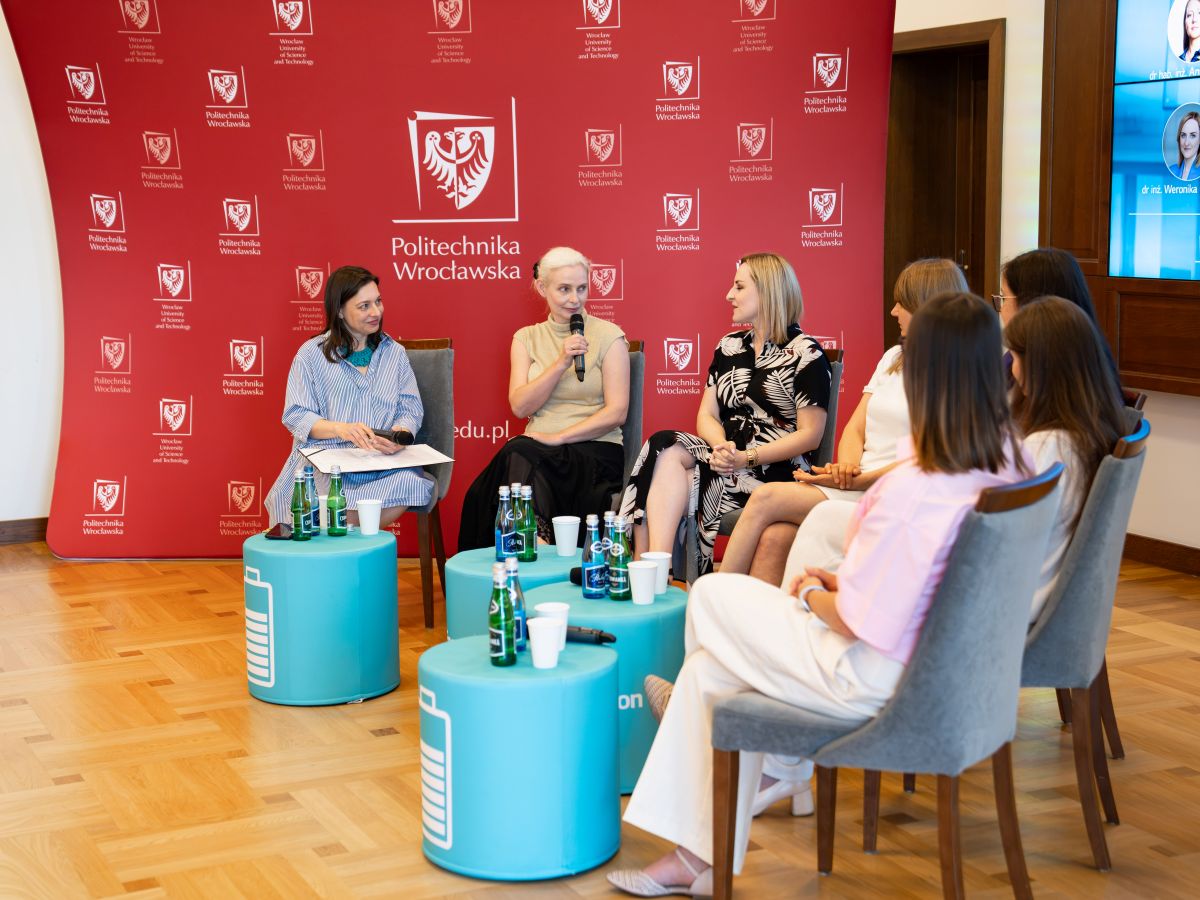
During the hour-long debate at Wrocław University of Science and Technology, six speakers — scientists and experts in building diverse teams within organizations — spoke about their work, the challenges they face, and possible solutions.
Women can be afraid
How do you cope with uncertainty, the mood-word of this decade? And specifically, how do you cope with it as a woman in the science and technology job market?
Representatives from various branches of science and industry sought answers to this and other questions. They spoke about what it’s like for women working in mining (Dr. Magdalena Worsa-Kozak of Wrocław University of Science and Technology, President of the Polish Association of Hydrogeologists and co-founder of the Women in Mining Poland association), the challenge of convincing investors to back a woman-led startup’s sometimes “out-of-this-world” ideas (Dr. Eng. Weronika Urbańska — also of Wrocław University of Science and Technology — and Senior Mission Engineer for Extremo Technologies’ biotechnology experiment Space Volcanic Algae, carried out aboard the International Space Station as part of the first Polish science-and-technology mission, IGNIS, with a Polish astronaut), how difficult it can be to find a common language that convinces business to engage with science and vice versa (Dr. Habil. Anna Jarząb of the Polish Academy of Sciences, an immunologist specializing in proteomics and biochemistry), and how important employer support is for the development of women within organizations (Joanna Moore, HR Manager at LG Energy Solution Wrocław; Katarzyna Zychiewicz, Production Technology Manager at 3M; and Martyna Mrozek, Head of Product Design at CSHARK and academic lecturer at the Department of Graphic Design at SWPS University).
“In my academic work, I devote a lot of attention to young people. I try to make their paths easier, to show them their options — those who want to will take advantage of it. When I see fear and uncertainty, I keep repeating: you have to dare, to do it, to find out. At first they're afraid, but they try anyway. Later they come back and tell me it was worth it.”
– emphasized Dr. Eng. Weronika Urbańska, a research and teaching assistant professor at the Faculty of Environmental Engineering at Wrocław University of Science and Technology
An example of a systemic initiative implemented by business is the Women’s Leadership Forum (WLF) — an internal network supporting women at 3M for nearly 10 years. Its structure is built by employees at various levels, from engineers and young leaders up to vice presidents managing enormous operations at the global level:
“They’re all equally uncertain at many stages of their development within the organization — all of them need a push. The common denominator for accelerating their careers was having a good mentor, someone who believed in them,” says Katarzyna Zychiewicz, Production Technology Manager at 3M.
Speakers during the panel emphasized the importance of women being supported both by employers and by other women:
“Two forces govern women's success: an internal factor — courage, determination, self-confidence, the way a woman thinks about herself — and an external factor, the work environment. The role of a good organization is to create space for development, among other things by supporting the building of competencies, creating an inclusive culture, and ensuring a safe working environment — for example, by enabling women to return to work after maternity leave. Meanwhile, the main task for women in a world that offers these opportunities is to be brave and to support other women along this path.”
– said Joanna Moore, HR Management Team Manager at LG Energy Solution Wrocław
Innovation takes a whole village
Among the panelists there was agreement that strong, diverse teams differ not only in terms of gender: “Diverse, interdisciplinary collaboration is the key to innovation. In our research group we have electricians, mechanics, IT specialists, geologists, environmental engineers, electronics engineers, roboticists, middle-aged and younger women, professors, and doctoral students — each of us spoke a different language at first, and today we collaborate successfully and think about the needs of the younger generation,” assured Dr. Magdalena Worsa-Kozak.
Katarzyna Zychiewicz argued, meanwhile, that what’s needed is action on a much larger scale — a systemic approach connecting science, industry, and administration:
“To build an effective team — much like raising a child — you need a whole village. It takes cooperation between different environments: universities, which educate and provide a solid foundation; business, which makes use of that knowledge and invites people to implement their ideas; and the city, which creates the conditions for innovative ecosystems to emerge.”
– said Karolina Zychiewicz, Business Group Value Stream Team Manager – 3M
Among the conditions for innovation mentioned during the discussion were also psychological safety, awareness and care that includes neurodivergent individuals, the ability to make mistakes and learn from them, flexibility, openness, trust, and empathy.
Red lights on the road to change
The discussion on building support for women developing careers in science or engineering also uncovered the darker side of parity-driven initiatives: “When someone calls me with a job offer and starts with the words ‘we’re looking for a woman’ — I refuse immediately,” noted Dr. Magdalena Worsa-Kozak.
Why? Because it still amounts to prioritizing gender — something most women building their professional positions would rather avoid.
“The greatest disservice you can do to us as women is to involve us simply because we're women. It's demeaning to my experience and my contribution to science. I don't want to be a token.”
– claimed dr Magdalena Worsa-Kozak
The lower representation of women in science- and engineering-related work environments is only one of their concerns; the second is already a concern shared by everyone — the overrepresentation of machines on teams. Martyna Mrozek of SWPS spoke about the trap of innovation created and trained by humans — artificial intelligence — and how it is also pushing early-career specialists out of the job market: “I’m noticing that many companies have come to believe AI is capable of replacing people. Unfortunately, it’s women who are being replaced by artificial intelligence — often entire teams: UI, UX, content creation, and more broadly, entry-level employees — their tasks are being taken over by AI, eliminating young people from the job market before they’ve had a chance to specialize,” observed Mrozek, who is Head of Product Design at CSHARK, an academic lecturer at the Department of Graphic Design at SWPS University, and a doctoral candidate at the SWPS Doctoral School.
Anna Jarząb of the Polish Academy of Sciences admitted that many difficulties lie at the intersection of business and science, and that these two worlds often struggle — sometimes almost impossibly — to understand one another: “Abroad, a good idea is enough. In Germany, where I spent many years, scientists are promoted and pushed out of universities into startups. Here in Poland, we still struggle with translation — finding a common language between science and business,” said Dr. Habil. Eng. Anna Jarząb of the Hirszfeld Institute of Immunology and Experimental Therapy of the Polish Academy of Sciences.
Zychiewicz added: “Right now we have a wealth of wonderful discoveries that will never be implemented in industry unless industry is interested. We also have businesses that want to collaborate but need the right incentive.”
What comes next?
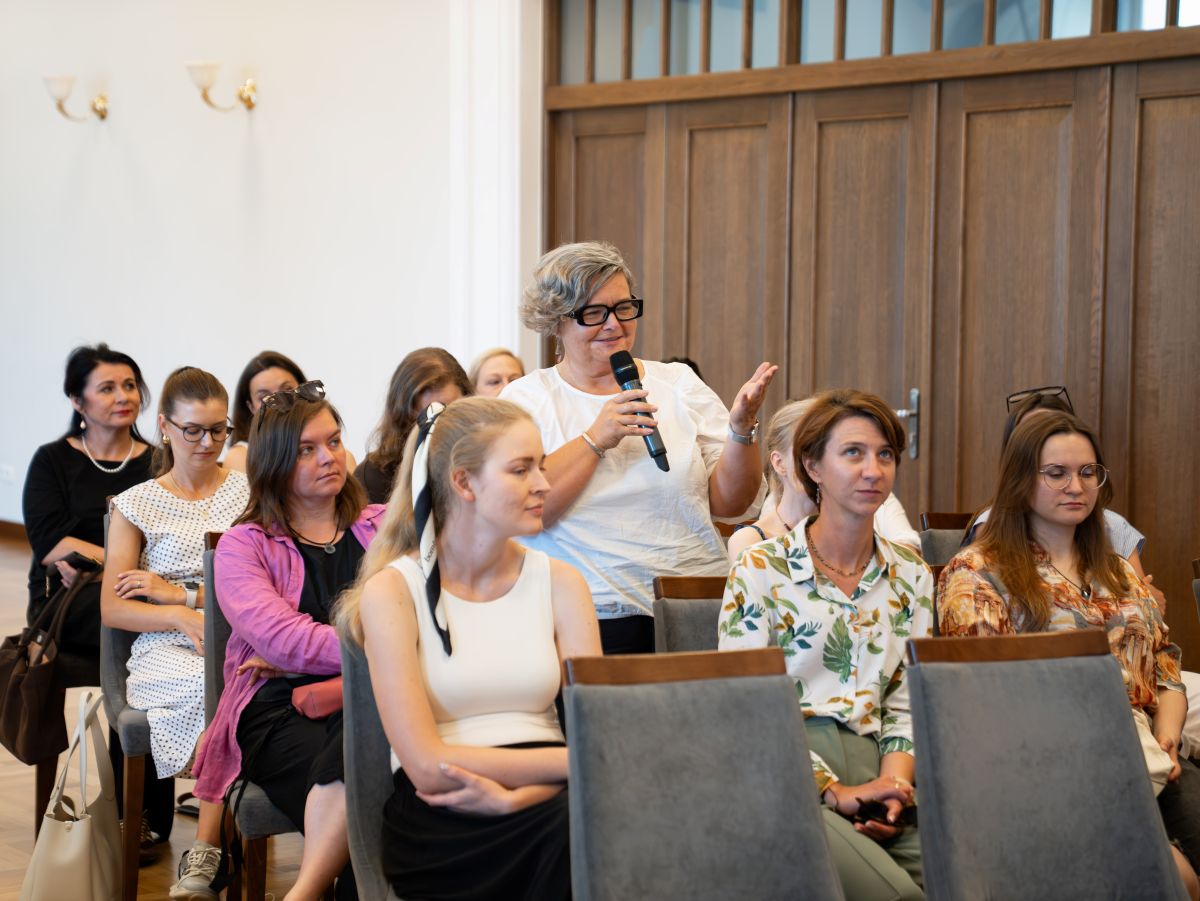
The panelists and the guests discussing with them agreed that the system connecting science and business needs change on many levels — from the internal, such as shifting one’s own beliefs, mutual support, and investing in courage, to launching procedures at the organizational or administrative level.
“I’d like for us, as women, to let others walk the path we’ve already worn smooth — not force them to clear it again and again just because we once had to. That’s the kind of environment I try to create in my organization, by inviting students in, organizing internships, and bringing more women into the IT industry — through the same doors I once had to force open myself. Let’s bring women to the decision-making table and into the conversation,” Martyna Mrozek encouraged during the debate.
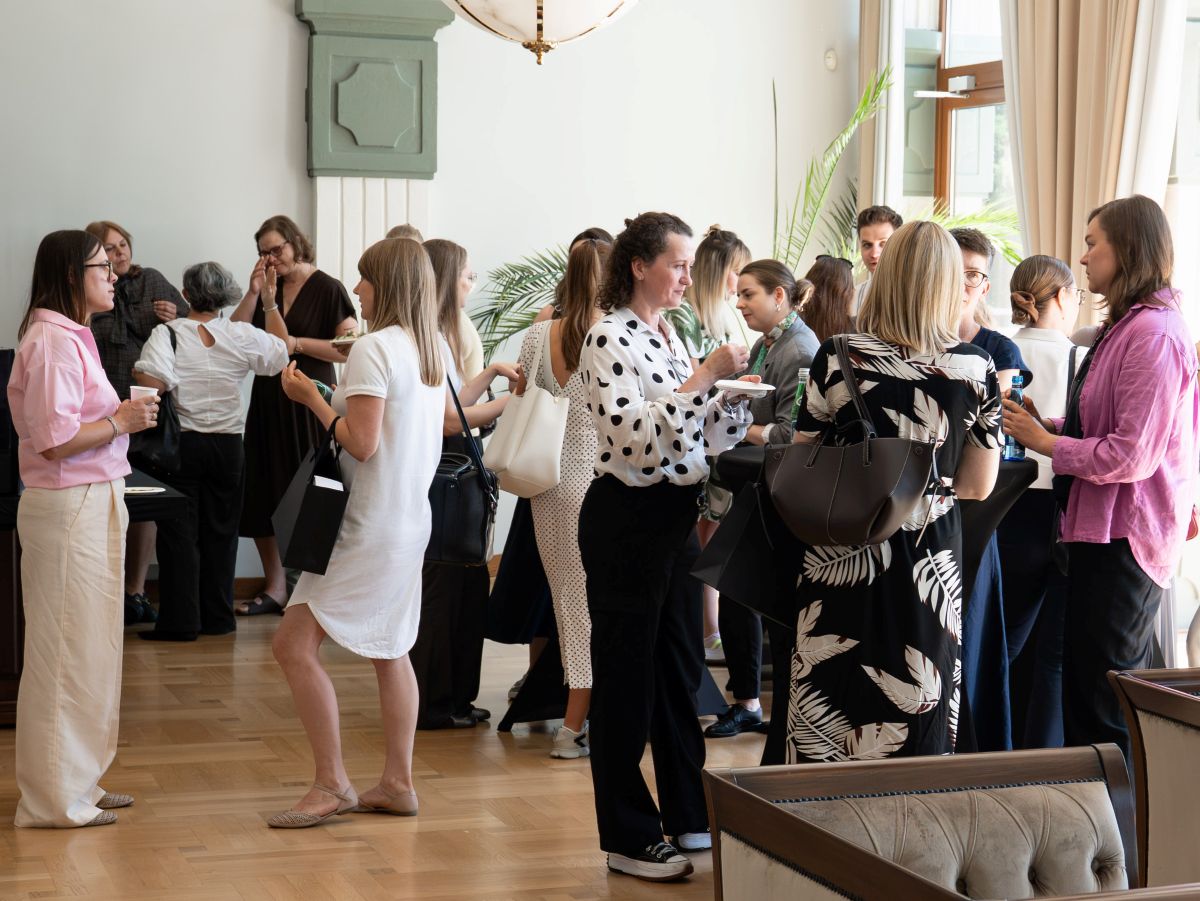
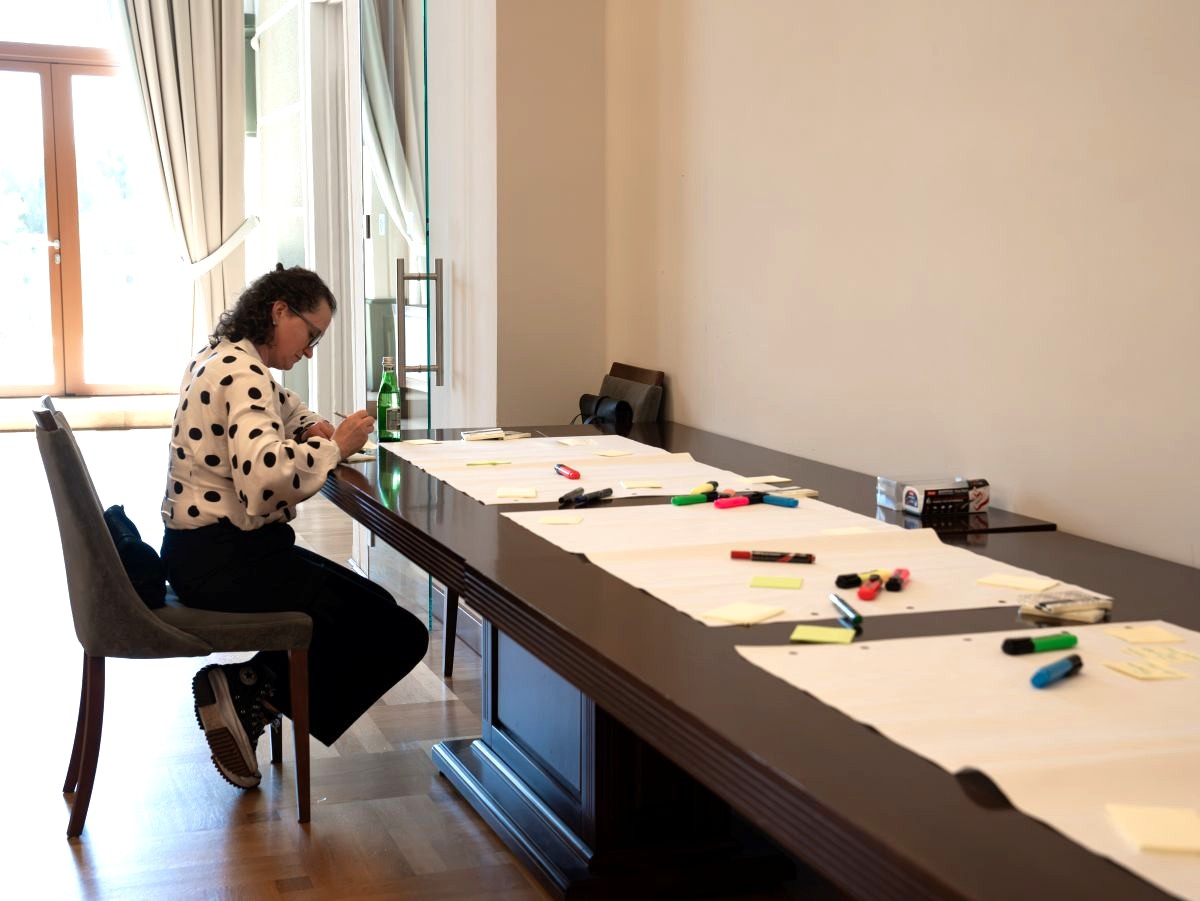
After the debate concluded, all guests were invited to write down their ideas for improving the ecosystem supporting women in engineering and science. The boards filled with ideas will serve as inspiration for future meetings in the “Empower Women in Science & Innovation” series, jointly organized by the Knowledge Transfer Center of SWPS University and the Academic Business Incubator of Wrocław University of Science and Technology. LG Energy Solution Wrocław is the originator and strategic partner of the initiative.